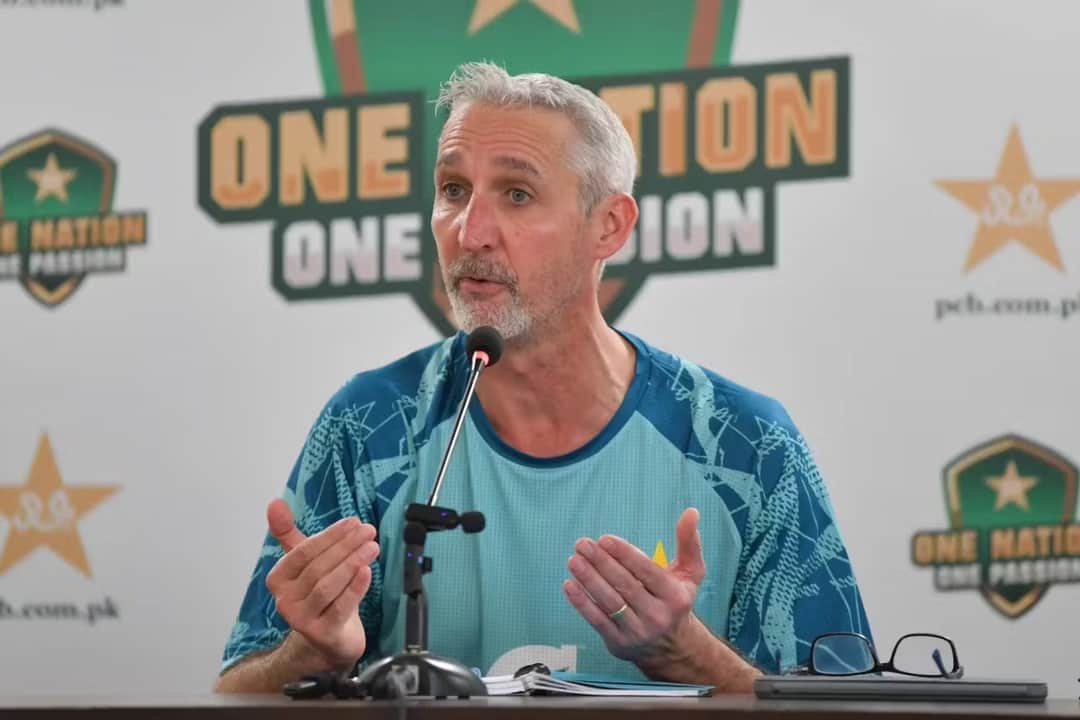
Jason Gillespie’s tenure as Pakistan’s head coach came to a sudden and frustrating end as he resigned with immediate effect, leaving the Pakistan Cricket Board (PCB) under fire for its handling of his role. The former Australian pacer, who was appointed in April alongside Gary Kirsten ahead of the T20 World Cup 2024, faced numerous setbacks and growing dissatisfaction during his short time in the role. His resignation underscores the mismanagement he faced and the lack of support he received from the PCB and the team management.
The Downfall of Gillespie's Coaching Role
When Jason Gillespie was first appointed as head coach, he was expected to bring his experience as a former Australian fast bowler and his reputation as a coach to guide the Pakistan cricket team through a challenging phase. However, from the outset, his authority was undermined. The PCB stripped him of any significant influence in key areas such as team selection. Gillespie found himself with little say in crucial decisions like picking the Test squad or determining the final XI for matches. This erosion of his authority left him with limited control over his role, causing mounting frustration.
A Lack of Communication and Support
The frustration continued to build when the PCB sacked Gillespie’s assistant, Head Coach, without informing him. The lack of transparency in such critical decisions further alienated Gillespie, who was left to work without the support he needed. For a coach to be excluded from discussions regarding staffing and selection matters is a clear indication of mismanagement, and it is no surprise that Gillespie began to lose faith in the PCB’s commitment to him and the team’s success.
Frustration Leads to Resignation
The final blow came when Gillespie decided to avoid traveling with the team to South Africa. This move reflected his growing frustration with the PCB’s lack of support. Just days later, he announced his resignation, marking the end of his short-lived tenure as Pakistan’s head coach. His departure was a clear sign of the failure of the PCB to properly manage and support their appointed coaching staff.
A Coach Undermined by the PCB
Jason Gillespie deserves much better than the treatment he received from the PCB. His resignation highlights how a lack of proper communication, support, and respect for his role ultimately led to his decision to step down. His brief stint as coach was marked by his inability to influence key decisions, which is essential for any head coach. Despite his extensive experience and expertise, Gillespie was unable to make a meaningful impact under the conditions imposed by the PCB.
The Road Ahead for Pakistan Cricket
With Gillespie’s resignation, Pakistan is left searching for a new coach to guide them in the upcoming challenges. The management of the national team will now need to reassess its approach to coaching and staff selection to avoid repeating the same mistakes. The PCB must recognize that undermining the authority of a head coach can have severe consequences for team morale and performance.
A Missed Opportunity for Pakistan Cricket
Jason Gillespie’s resignation marks a disappointing chapter in Pakistan’s cricketing history. The frustration he faced at the hands of the PCB left a promising coaching tenure in tatters. As the search for a new head coach begins, they have appointed Aaqib Javed as an Interim coach it’s clear that Pakistan needs a system of support and transparency in place to ensure the success of the team and the coaching staff. Without a proper framework, Pakistan risks further setbacks on the international stage.