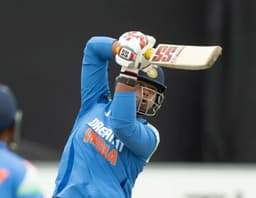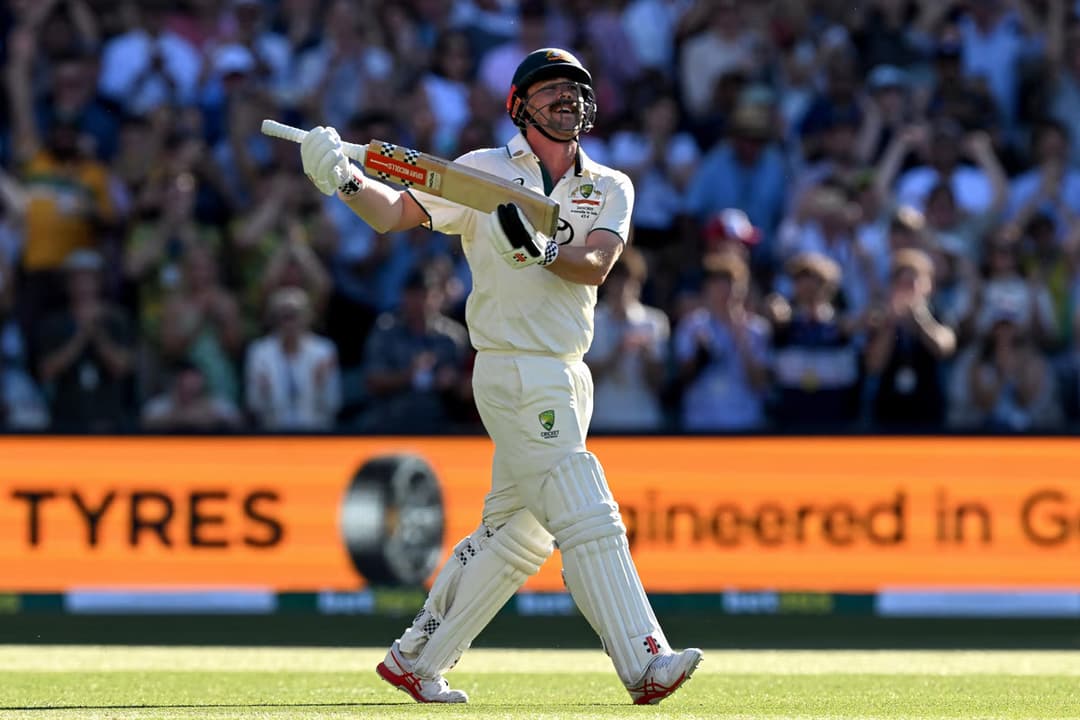
The recent Adelaide Test has sparked numerous questions and concerns, as Australia fought back to level the series 1-1 in the ongoing 5-match Border-Gavaskar Trophy. Team India is now under significant pressure, with a challenging road ahead to regain control of the series. From their struggles with the pink ball to the failure to find an effective solution for the red-hot Travis Head, the Indian team faces multiple issues that need immediate attention. Here, we dive into the key insights from the recently concluded second Test in Adelaide, analyzing what went wrong and what lies ahead for the Indian side.
Pink Ball Problem
The pink ball has emerged as a significant challenge for Indian cricketers, particularly in Australia. The Australian team typically plays 2-3 pink ball Tests each year, which gives them an edge in preparation. Rohit Sharma noted that Indian players are accustomed to playing with white balls against a black background and red balls against a white background, making them easier to see. In contrast, the pink ball poses a unique challenge, which he didn't mention as an excuse but rather as a difficulty they face during pink ball Tests. With an additional layer of pink leather, this ball does not soften as quickly as standard balls. This challenge was evident in how the Australian players navigated the pink ball, appearing proficient and making it difficult for Indian batters, who struggled to build their innings during the day-night Test.
In terms of bowling, the pink ball assisted both teams. Australian bowlers effectively utilized seam movement while consistently maintaining a stump-to-stump line, taking advantage of swing to dismiss India for under 185 runs in both innings. Their planning and execution were precise in this match.
Conversely, Indian bowlers had the potential to capitalize on similar conditions, as statistics indicated they experienced more seam movement and swing. However, their execution fell short when it mattered most. While Jasprit Bumrah consistently bowled on a stump-to-stump line, Harshit Rana and Mohammed Siraj failed to support him effectively, as they had in the first Test. They often aimed for the 6th and 7th stump lines instead of targeting the batter more directly, which might have halted Australia from achieving another low score.
Ultimately, regardless of the type of ball, successful cricket relies on planning and execution. In this Test, Australia came out on top. While India could devise a plan, their execution was lacking when it was crucial, leading to a disappointing loss.
It remains uncertain whether the BCCI will advocate for more overseas pink ball Tests in the future, especially considering India's track record in day-night Tests. performances in high-stakes series like this have dampened the momentum India had, and they now face the prospect of starting from scratch as a challenging journey lies ahead.
Travis “Head Ache”
Travis Head has been a significant challenge for the Indian cricket team over the past three years, starting from the World Test Championship Finals. He is an excellent batter, and his long career has seen him flourish in the last two to three years, consistently delivering runs for Australia across all formats. Currently, within the Australian setup, Head stands out as the only batter demonstrating consistent performance.
Travis Head has now achieved centuries in white-ball, red-ball, and pink-ball cricket against India, with these centuries coming in high-stakes situations, ranging from the World Cup Final in 2023 to the recently concluded Test in Adelaide, where he played a crucial role in leading his team to victory.
Head is known for his clever batting style; he adeptly finds gaps in the field and does not rely solely on a defensive approach to build his innings. His natural game and intent have served him well. In the first Test, Indian bowlers managed to put pressure on him, yet he still managed to score a half-century. However, in the recent Test, the Indian bowlers appeared rusty at times and seemed to have given up on him, with only a few good deliveries aimed in his direction. Adelaide, being his hometown, added to his motivation, and he continued to enhance his record with a century.
Sunil Gavaskar raised questions about why Indian bowlers did not target Travis Head with short balls, where he has shown some vulnerability. This highlights the execution issues faced by the Indian bowlers, who struggled to find a solution to control Head. It was a challenging situation for them. During the match, there was an exchange of words between Travis Head and Mohammed Siraj, which created a bit of chaos off the field, but it has since been resolved.
The pressure of the situation can lead to such incidents, and looking back, India needs to devise a solid plan to tackle Travis Head. If they can dismiss him early, it could open up opportunities to dismiss other Australian batters, similar to their performance in the first Test. Australia’s overall form has been a concern, and Travis Head is certainly a player that India should be particularly worried about in the remaining matches. They must find a way to get him out.
The Adelaide Test has exposed some critical vulnerabilities in Team India's strategy and execution, particularly against the pink ball and in dealing with key players like Travis Head. With the series now evenly poised, India must quickly regroup and address these shortcomings to avoid further setbacks. The road to a series comeback is long and demanding, but with the right adjustments and tactical changes, they can still turn the tide in their favor. The remaining matches of the Border-Gavaskar Trophy will undoubtedly test India’s resilience, and how they respond to these challenges will determine the course of the series.